Common Causes of Cracks in Commercial Concrete Slabs
To address common causes of cracks in commercial concrete slabs, local contractors can assess the damage and provide effective repair solutions to restore stability and safety.
Understanding the common causes of cracks in commercial concrete slabs can help property owners identify potential issues early and make informed decisions about repairs. Cracks often develop due to factors such as soil movement, improper mixing, or inadequate curing during installation. Recognizing these underlying reasons is essential for maintaining the integrity and safety of commercial spaces, especially in areas where heavy foot traffic or machinery are common. Property owners in the area who notice cracks may find it beneficial to explore how local contractors specializing in concrete repair can address these issues effectively, helping to prevent further damage and extend the lifespan of their slabs.
Exploring the practical reasons behind cracks in commercial concrete slabs can also shed light on preventative measures and repair options. Soil settling, temperature fluctuations, and overloading are among the typical causes that contribute to cracking over time. When these issues arise, professional concrete crack repair services offered by local service providers can restore the strength and appearance of the slabs. Keeping informed about these common causes empowers property owners to make proactive choices and ensures that they are connected with experienced local contractors capable of handling repairs efficiently and reliably.
- Commercial concrete slab crack repair services are often needed when settlement or shifting causes cracks to develop in commercial flooring. Local contractors approach these issues by assessing the severity of the cracks and applying appropriate repair techniques to restore structural integrity. When concrete slabs are exposed to temperature fluctuations, cracks may form, and service providers can perform repairs to prevent further damage. Heavy loads and frequent traffic can lead to stress cracks, with local pros offering solutions to reinforce and stabilize the affected areas. Poor initial placement or curing can also result in cracks, prompting repairs by experienced service providers to address underlying issues.
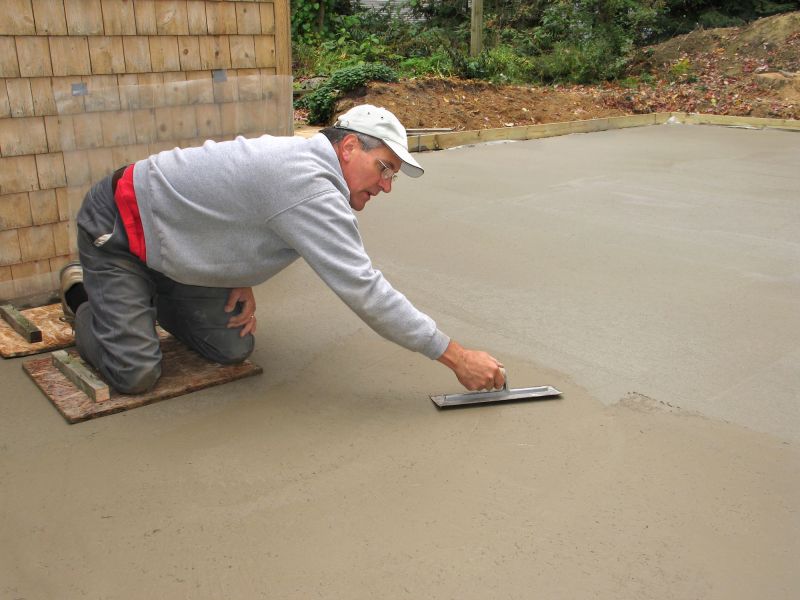
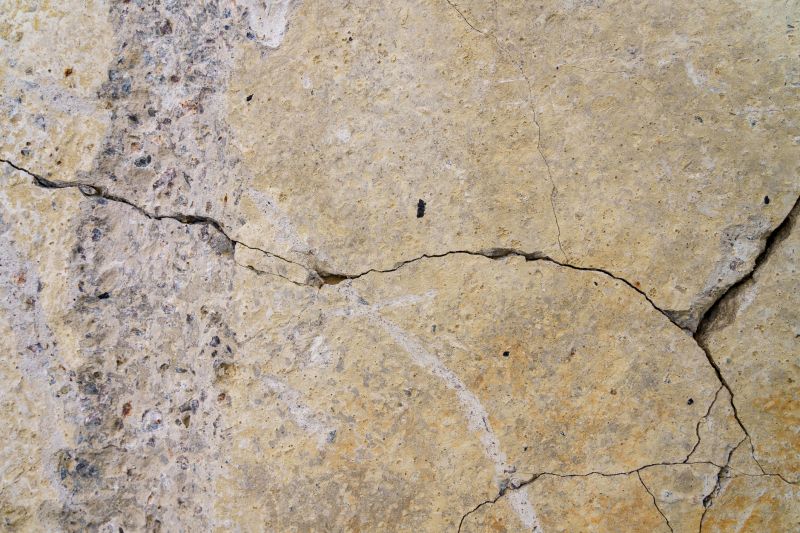
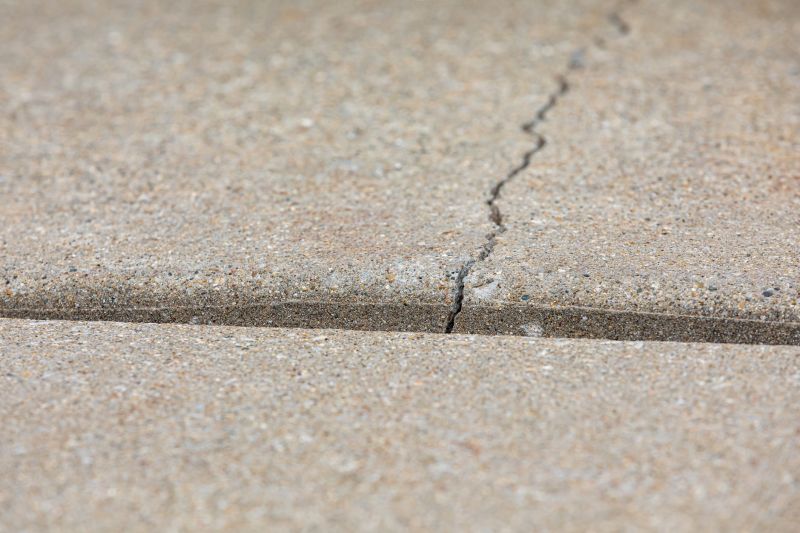
Understanding the common causes of cracks in commercial concrete slabs is essential for property owners and managers who want to maintain the integrity and safety of their facilities. When searching for this topic, many are looking to identify why their concrete surfaces are developing cracks, whether for troubleshooting existing issues or preventing future damage. These cracks can impact the usability, appearance, and longevity of commercial properties, making it important to recognize the underlying reasons behind them. Typically, property owners are concerned with how these cracks might affect heavy equipment, foot traffic, or the overall structural soundness of warehouses, retail centers, or parking lots.
Cracks in commercial concrete slabs often stem from a combination of environmental, material, and structural factors. One common cause is improper soil preparation before pouring the slab, which can lead to uneven settling and stress on the concrete. Excess moisture or poor drainage around the property can also cause the soil beneath the slab to expand or contract, creating pressure that results in cracking. Additionally, fluctuations in temperature can induce thermal expansion and contraction, especially in outdoor settings, leading to surface cracks over time. Heavy loads and frequent traffic can further stress the concrete, especially if the slab was not designed to handle such weight, causing it to crack under pressure.
Another frequent cause involves issues related to the concrete mix and installation process. Using low-quality materials or improper mixing can weaken the slab, making it more susceptible to cracking. Insufficient curing time during installation can also prevent the concrete from reaching its full strength, increasing vulnerability to cracks. Over time, structural shifts or foundation settling can exert additional stress on the slab, especially if the underlying soil is unstable or poorly compacted. Recognizing these causes helps property owners understand the importance of proper installation practices and ongoing maintenance to prevent or address cracks before they worsen.
For property owners and managers, understanding the common causes of cracks in commercial concrete slabs highlights the importance of working with experienced local service providers who specialize in concrete repair. These professionals can assess the specific conditions of a property, identify the root causes of cracking, and recommend appropriate repair solutions. Whether the cracks are due to soil movement, thermal stress, or installation issues, local contractors can provide targeted repairs to restore the slab’s strength and appearance. Connecting with trusted experts ensures that cracks are properly diagnosed and repaired, helping to extend the lifespan of commercial concrete surfaces and maintain a safe, functional environment for tenants, employees, and visitors.
Industrial flooring installation - professionals in industrial flooring often handle concrete slab preparation and repair, addressing issues like cracks caused by improper curing or load stress.
Parking lot construction - local contractors working on parking lot projects are experienced with concrete pouring and joint placement, helping prevent cracks related to expansion and contraction.
Warehouse floor repair - specialists in warehouse flooring repair are skilled at identifying and fixing cracks resulting from heavy equipment traffic and uneven settling.
Sidewalk and pathway installation - service providers in sidewalk construction are familiar with soil conditions and joint design that influence cracking in concrete slabs.
Commercial building foundation work - foundation contractors address foundational causes of cracks, such as settlement and soil movement, which impact slab integrity.
Concrete leveling and slab raising - experts in slab leveling techniques can correct uneven surfaces and address cracks caused by ground shifting or improper support.
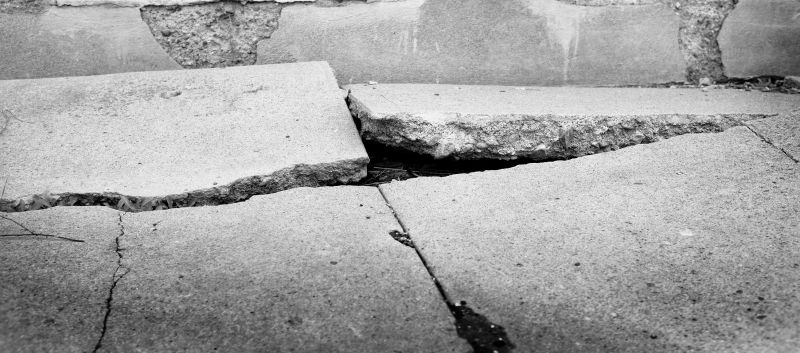
When evaluating potential service providers for commercial concrete slab crack repair, it is important to consider their experience with similar projects. Contractors who have a proven track record working on commercial slabs that exhibit common causes of cracks-such as settlement, shrinkage, or temperature fluctuations-are more likely to understand the nuances of diagnosing and addressing these issues effectively. Asking for examples of past work or references related to similar repairs can provide insight into their familiarity with the specific challenges that cracks in commercial concrete slabs present, helping to ensure the selected contractor has the relevant expertise.
Clear written expectations are essential when comparing local contractors for crack repair services. A detailed scope of work that outlines the repair process, materials used, and any necessary preparation can help prevent misunderstandings and ensure that both parties are aligned on the project’s goals. Service providers who communicate openly about their approach and provide comprehensive written estimates are more likely to deliver results that meet expectations. This clarity can also assist in evaluating whether the contractor’s methods are suitable for addressing the underlying causes of cracks, such as addressing foundation shifts or improper slab placement.
Reputable references and good communication are key factors to consider when choosing a contractor for commercial concrete slab repairs. Reliable service providers should be able to furnish references from previous clients who had similar repair needs, demonstrating their ability to deliver quality work consistently. Additionally, contractors who maintain open lines of communication-promptly answering questions, providing updates, and explaining their repair strategies-can help ensure that the project proceeds smoothly and that any concerns are addressed promptly. These qualities contribute to a more confident decision-making process and increase the likelihood of a successful repair that effectively manages the common causes of cracks in commercial concrete slabs.
Property owners often search for common causes of cracks in commercial concrete slabs when they are planning practical projects around their homes and businesses. Local pros provide Commercial Concrete Slab Crack Repair services for everyday jobs and straightforward project options.
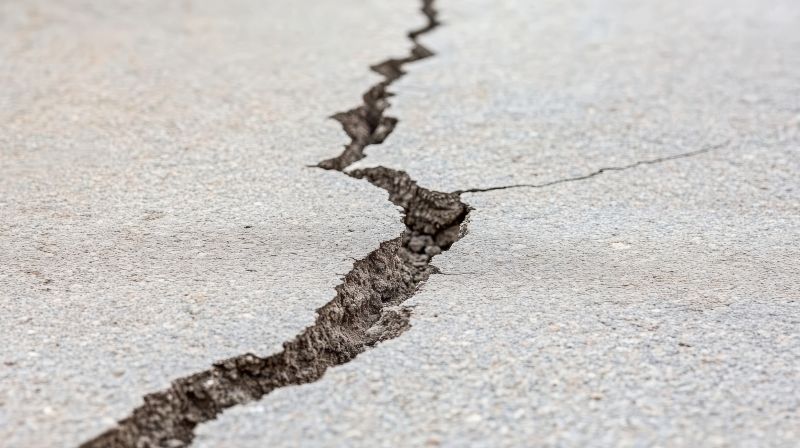
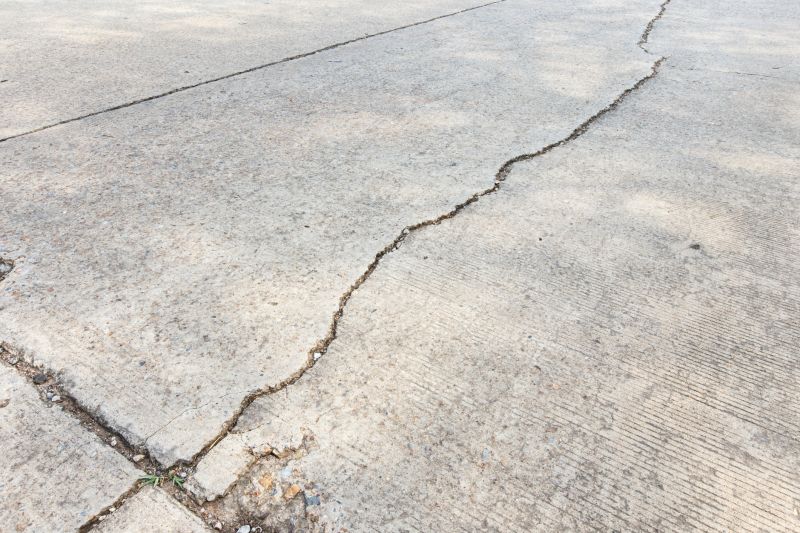
Understanding the common causes of cracks in commercial concrete slabs can help property owners prevent costly repairs down the line. Many cracks occur due to everyday project situations such as improper mixing, inadequate curing, or poor subgrade preparation. For example, if the soil beneath the slab isn’t properly compacted or if the concrete is poured during extreme weather conditions, it can lead to uneven settling or thermal stress. These issues are often encountered during initial construction or renovation projects and highlight the importance of working with experienced local contractors who understand how to address these factors effectively.
Additionally, ongoing usage and environmental factors can contribute to cracking over time. Heavy loads, repeated stress from traffic, or exposure to temperature fluctuations can cause concrete slabs to develop cracks gradually. Property owners noticing such issues might consider consulting local service providers who specialize in commercial concrete slab crack repair. These professionals can assess the specific causes, such as structural stress or material fatigue, and recommend appropriate solutions to restore the integrity of the slab and prevent further damage.
What are common causes of cracks in commercial concrete slabs? Common causes include soil settlement, improper placement, and thermal expansion, which can lead to stress and cracking over time. Local contractors experienced in concrete repair can assess and address these issues effectively.
How does soil movement contribute to concrete slab cracks? Soil movement, such as settling or shifting, can create uneven support under the slab, resulting in cracks. Local pros can evaluate soil conditions and recommend appropriate stabilization or repair solutions.
Can improper curing cause cracks in concrete slabs? Yes, inadequate curing can lead to uneven drying and shrinkage, causing cracks. Skilled service providers can ensure proper curing techniques and repair existing cracks to maintain slab integrity.
What role does temperature change play in cracking of commercial concrete slabs? Temperature fluctuations cause concrete to expand and contract, which can lead to cracking if not properly designed or reinforced. Local contractors can implement control joints and repair cracks resulting from thermal stress.
Are structural issues a common cause of cracks in commercial concrete slabs? Structural problems, such as overloading or design flaws, can induce stress and cracks. Experienced service providers can diagnose these issues and perform necessary repairs to restore stability.
Soil settlement issues - property owners can work with local contractors to assess and address soil stability before pouring new slabs, reducing future cracking risks.
Heavy loads and traffic - planning for proper load distribution and consulting local service providers can help reinforce slabs to withstand daily use.
Poor curing practices - property owners can ensure proper curing methods are followed during installation by hiring experienced concrete specialists.
Temperature fluctuations - local pros can implement joint placement and expansion solutions to accommodate temperature changes and prevent cracks.
If you are thinking about common causes of cracks in commercial concrete slabs for a property, this guide is meant to help you understand this topic, the typical project types, and how different options might fit your plans.
When you are ready, you can use the quote form on this page to share a few details about your project. From there, local pros can review the basics and follow up with options that match what you have in mind.